Florence, the Family, and a Lasting Legacy
Harry’s life ended, but Florence’s connection to the house endured—and the family’s story remains part of Cleveland Heights.
In the history of a remarkable home, a death is not always an ending. When Harry Franklin Payer died in October 1952, the estate on Derbyshire Road was already more than an address associated with a prominent lawyer. It was the home he and Florence had shared, a place linked to their children, and the setting for a remarkable personal library.
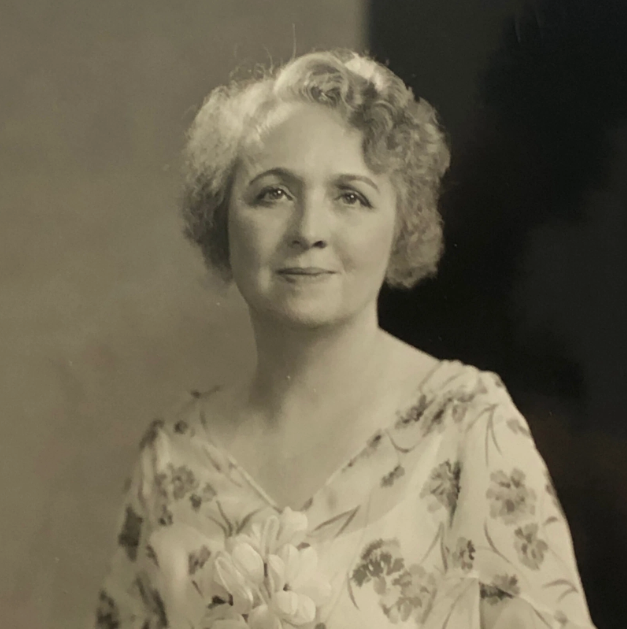
Florence continued living at Derbyshire Road until her death in 1956. That makes her more than a passing name in a biography. She carried the family's home and its story forward after Harry died in 1952. The exact date and any changes to individual rooms during those final years remain to be documented from cemetery, property, and family archives.
The Payers had two children: Franklin Lee and Dorothea. Their daughter died young. Each name represents a life whose story deserves care rather than embellishment. We hope future records will help tell more about Florence, the children, and the generations that followed.
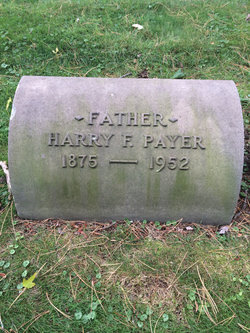
Harry’s burial at Lake View Cemetery is documented by the Encyclopedia of Cleveland History. His family is also buried at Lake View. His marker remembers him simply as “Father”—a quiet reminder that the public figure was also part of a family.
And then there is the house itself. The room still called the Library retains its historic character. Its collection of books is gone, and an ornate stone pier mirror now stands where a fireplace once was. The room has changed, yet it remains an unusually tangible link to the Payers’ everyday world. It invites us to look more closely rather than rush past its details.
Perhaps that is the real legacy of the Harry Payer House: a family’s life expressed through a place that has endured. Harry’s scholarship and public service, Florence’s continued residence, the memory of their children, and the surviving architecture together make one story. The next time someone walks into the Library, they enter a room that still carries that history.
These chapters are a beginning, not a claim to know everything. As photographs, documents, and family records come to light, the story can become richer. Its heart will remain the same: Harry, Florence, their family, and the home they knew.